Stellest Lenses vs. MiSight Lenses: Which Myopia Control Is Right for Your Child in La Jolla?
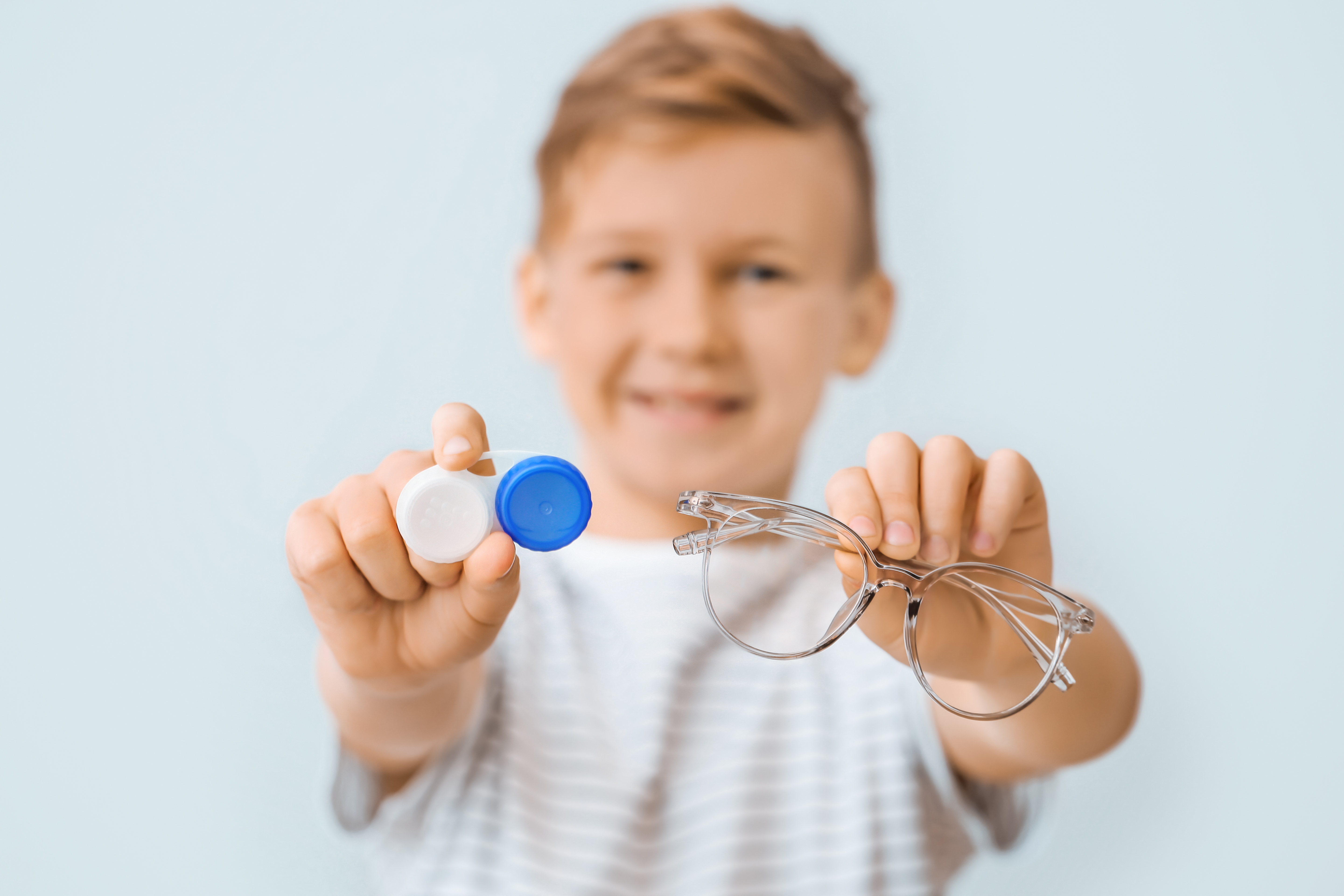
If your child’s prescription keeps getting stronger, you may wonder whether glasses alone are enough. Standard glasses correct blurry distance vision, but myopia control lenses also work to slow the progression of nearsightedness. At Eyecare at the Cove Optometry, we offer Stellest and MiSight lenses to help families in La Jolla find an approach that fits their child’s needs.
Why Myopia Control Matters
Myopia often progresses while children’s eyes are growing. Increasing nearsightedness can mean more than frequent prescription changes. Higher levels of myopia are associated with greater risks of retinal detachment, glaucoma, and other eye conditions later in life. Managing progression during childhood is an opportunity to support long-term eye health.
Stellest Lenses: Myopia Management Through Glasses
Stellest lenses are prescription eyeglass lenses designed to provide clear vision while helping slow myopia progression. They combine a clear central area with tiny surrounding lenslets that change how light focuses.
For children who prefer glasses or are not ready to handle contact lenses, Stellest offers a familiar way to receive treatment. The FDA has authorized Stellest lenses for eligible children ages 6 through 12 when treatment begins. Prescription requirements also apply, so an eye exam is essential to determine candidacy.
Consistent wear matters. We help families understand the recommended wearing schedule and how to keep their child’s glasses comfortable and properly fitted.
MiSight Lenses: Daily Disposable Contact Lenses
MiSight 1 day lenses are soft contact lenses that correct nearsightedness and help slow its progression. Their FDA-approved use includes eligible children ages 8 through 12 at the start of treatment, within specified prescription limits.
Children wear a fresh pair during the day and discard them after use. MiSight can appeal to children who want freedom from glasses during school, sports, and other activities. However, daily disposal does not replace careful hygiene. Children need to follow handling instructions, with parental support as needed.
How We Help You Choose
The right option depends on more than whether your child prefers glasses or contacts. During our evaluation, we consider:
• Age and prescription: Each lens has specific eligibility requirements.
• Contact lens readiness: Your child’s comfort with insertion, removal, and hygiene matters.
• Daily activities: School, sports, and family routines can influence consistent wear.
• Vision history: Previous prescription changes help us understand how myopia is progressing.
• Family preferences: We discuss practical responsibilities and treatment costs.
Regular Monitoring Supports Your Child’s Treatment
Myopia management requires ongoing care. We monitor changes in your child’s vision, check lens fit and comfort, and review how treatment fits into daily life. Neither option guarantees that myopia will stop progressing, so follow-up visits help us assess the response and adjust our recommendations when needed.
Schedule your child’s myopia management consultation with Eyecare at the Cove Optometry to find the right fit for their growing eyes. Contact our office in La Jolla, CA, by calling (858) 283-3600 to book an appointment today.


Contact Info
Hours of Operation
- Monday 9:00am - 5:30pm
- Tuesday 9:00am - 5:30pm
- Wednesday 11:00am - 6:00pm
- Thursday 9:00am - 5:30pm
- Friday 9:00am - 2:30pm
- Saturday Closed
- Sunday Closed
© 2026 Eyecare at the Cove Optometry. All rights Reserved. Accessibility Statement - Privacy Policy - Sitemap
Powered by: